
Surrogacy and Parenthood for Gay Men

Unfortunately, we have had to go back to the beginning of our IVF and surrogacy journey (yet again) after our second egg donor was disqualified midway through her retrieval. Here I take you through our 3rd egg donor selection process: How are we doing? What was the same? What are we doing differently?
Unfortunately, we have had to go back to the beginning of our IVF and surrogacy journey (yet again) after our second egg donor was disqualified midway through her retrieval. Here I take you through our 3rd egg donor selection process: How are we doing? What was the same? What are we doing differently?

Check out what my husband and I did for 3 months of spermmaxxing, what our results showed in comparison to our first deposit, and a discussion of how to choose which intended dad’s sperm to use when creating embryos.

It’s been over a month since I have written about our surrogacy journey. I didn’t have the mental bandwidth to write after our failed third transfer and adjusting to the reality of having to start over. My husband and I needed some time. So where are we now? After 3 years, we are back at selecting an egg donor. Read more about how we approached this process the second time and how it was different from our first round.

Setbacks are part of every surrogacy journey, but I didn’t think we would experience a setback of this magnitude. We are out of embryos, so we have to go back to the very beginning and redo our entire journey. Read more to see how we are approaching this complete reset, and what we will do differently this time around.

A brief description of the days before, during, and after our second embryo transfer as international gay intended dads.

My husband and I are back home in Stockholm and severely jet lagged. It was an intense and incredible trip to California for our first embryo transfer. During the trip, I kept daily notes to capture how I/we were feeling for this historic stage in our journey. This article is a summary of those notes to document this time for us and our future child. We will find out tomorrow (December 4th) on my actual birthday if our amazing surrogate is pregnant. I could not think of a better birthday present, but if this transfer doesn’t take, it is still an integral part of our journey. We want our child from this or a future embryo to know how exhilarating, nerve-racking, and amazing this process was to bring them into the world.

Ever get anxious that things are ‘too good to be true?’ It turns out that experience is called ‘happiness anxiety,’ and I have developed it during our surrogacy journey. I’m a doctor, and I had never heard of happiness anxiety before. It seems counter-intuitive. After all, if you are happy, then why are you also anxious? In this article, I discuss my experience with happiness anxiety related to our surrogacy journey and what I am doing to try and deal with it so I can better enjoy the process of becoming a father.

We are finally at the stage in our journey where we are reviewing the contract between us and the surrogate. The surrogate contract is a dense, complicated, beast of a legal document. You have to make challenging decisions about who will care for your unborn child if something happens to you and your partner, understand the impossible medical insurance landscape in the U.S, and navigate the evolving medical landscape of what pregnant women can/can’t/shouldn’t do. In this article, I share personal reflections and guidance on the surrogate contract for other gay intended dads on their journey in the U.S.

We think we found ‘the one,’ as in the surrogate who will help us to finally become parents. We don’t want to jinx it given our history of matching and unmatching with previous surrogates, but this one feels ‘right.’ Read more to find out how we got to this point, and the lesson for all intended parents of how important it is to try and navigate through their best possible journey.

Our fingers and toes are crossed. We met another amazing potential surrogate. Having two previous matches fall through, we are being extra careful in thinking of all the possible complications of a journey with her. I review the major challenges we could face in this article as we wait for guidance from our legal team on our options and whether we can proceed or not.

The main reason we moved to Sweden was because it could provide my husband and me with a life where we could be parents. The U.S. only allows for parenthood on corporate America’s terms. We wanted a different life for ourselves and our child.

As our journey to fatherhood progresses amidst some challenging delays, I wanted to take some time to refocus on why we are doing this and write a letter to our future child.

Our second surrogate is now pregnant, but not with our baby. Read more to find out the details as we continue to persevere through this latest and greatest challenge on our IVF and surrogacy journey.

Our surrogate / gestational carrier (GC) has just completed her final medical clearance. In this article, I wanted to review the recommended guidelines for medical screening of GCs in the United States, and compare this to guidelines in Canada and the United Kingdom.

Bonding with your unborn baby is especially challenging for international intended parents. However, we live in the 21st century and survived a global pandemic. Our lives have never been more remote-friendly, so it’s easier than ever for queer IPs to bond with their surrogate and unborn baby from the other side of the world. Read here about technology and options for you to enjoy and be as present as possible during your pregnancy.

After matching and unmatching with an amazing surrogate / gestational carrier (GC), we have rematched! In this article, I review questions to ask potential matches. I also discuss my own personal experience matching with a GC who has an incredibly supportive husband, and how I think all intended parents (IPs) should view their GCs partner on their journey.

This was a hard article to write as my husband and I have had to unmatch with our gestational carrier (GC). Read more to hear about the challenges with newborn insurance and lessons learned that can and should be applied to any surrogacy journey.

We have officially matched with a gestational carrier! This is a momentous and incredible step in our journey to fatherhood. In this article, I will describe the matching process with our agency, the aspects to a gestational carrier (GC) relationship that are important to us, and how I felt the night before and immediately after our first meeting with the GC.

My mom died this past week. In this article, I reflect on how my estrangement from her has affected me, the development of my ‘logical’ or chosen family, and how I now view becoming a parents myself through IVF and surrogacy.

After over a year of planning, we have our embryos! This article details the stages in this journey, describing the challenges, stress, and results. This was not what we were expecting, but we are thrilled to have completed what I am now calling the Embryonic Olympics.

There is no right time to become a parent. I do, however, believe there would have been a wrong time for me to become one. In this article, I discuss my path to parenthood, including why and how I finally feel ready in my 40s to become a father. I don’t think my story is completely unique, and I believe that more and more people will join the ‘old’ parents club in the future.

It is time for our journey to move to the next stage: Matching with a gestational carrier (GC). A key part of this process involves us writing a letter to potential GCs, explaining who we are and what we are looking for in a relationship. It’s really just a first impression, but it has implications for our journey as well as our child for the rest of his/her/their life. No pressure :)

Unfortunately, we have additional delays in our journey to fatherhood. Read more to find out why, and how this has altered our approach to the process and our agency.

Our journey to fatherhood continues with our latest milestone: The egg donor contract. This contract brought up a lot of interesting topics for my husband and me. We had to contemplate our own mortality, relationship, and future in a way that we haven’t yet. In this article, I reflect on this experience to share it with other queer intended dads.

Having a baby through IVF and surrogacy as a queer man is a marathon, not a sprint. In this article, I describe the first 1.5 years of my husband’s and my journey thus far. There have been some amazing highs, but there have also been a number of long periods of waiting. Focusing on the journey, not the destination, is one of the goals of Gay Dad Reporter, and one that I hope to emulate on my own journey to fatherhood.

The Alabama Supreme Court has taken a huge step in essentially banning IVF in the state by stating that embryos are ‘children.’ This comes at a time when my husband and I are continuing our journey to fatherhood through IVF and surrogacy in California, and we are drafting a heartfelt thank you letter to our egg donor. This juxtaposition highlights the political, social, scientific divide we have in our country and the world at the moment. What is the way forward? For Gay Dad Reporter and I, it is to fight for gay, bi, queer men to have access to the science that allows them to build the rainbow families of their dreams.

What’s it like picking an egg donor? This article is about the challenges and process that my husband and I have undertaken in approaching our selection of an egg donor. Choosing an egg donor is an exciting and important step in anyone’s journey to fatherhood through IVF and surrogacy, and I hope this article is helpful for anyone embarking on this stage.

Continuing on our personal journey to fatherhood, my husband and I traveled from Stockholm to Los Angeles to our fertility clinic. This article describes the physical exam, lab testing, and all important sperm deposit. What is it like to masturbate in a clinic and give a sperm sample? If you ever wanted to know, read on.

My husband and I are currently pursing IVF and surrogacy in California while living in Sweden. This is the first of what will be many articles detailing our journey. In this article, I discuss all the major decision points for the process, as I believe it is important to have a full understanding and a complete perspective as to the type of journey you want to have before embarking on it. This article provides an overview of all the major decisions and team members you will need to involve in your own journey to gay fatherhood through surrogacy.
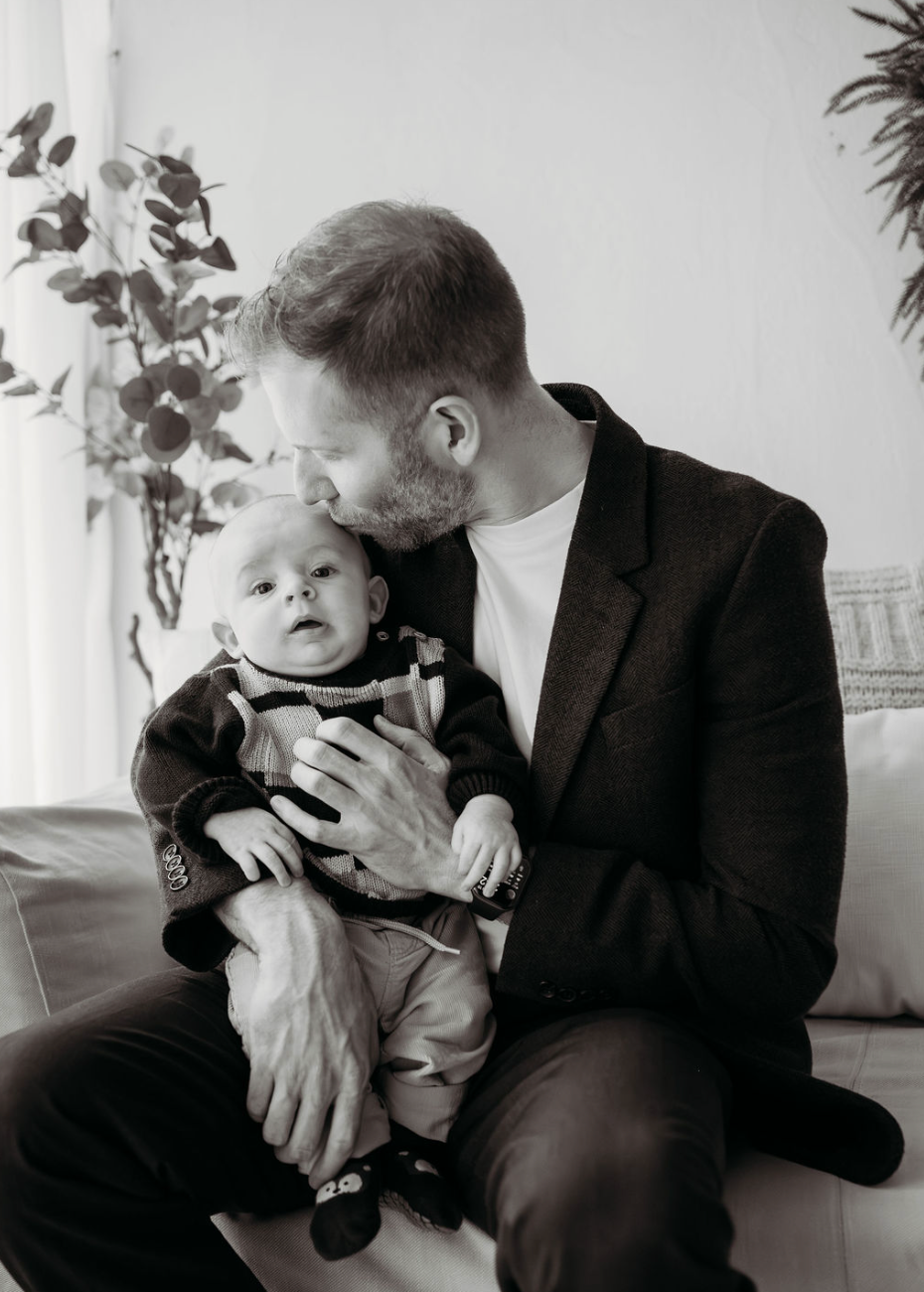
Kevin Timms is a new gay dad who talked with me about his path to fatherhood, the surprises of surrogacy, and his dedication to surrogacy transparency for other intended parents (IPs).

I had the pleasure of interviewing Shaun Thomas, founder of The Surrogacy Father. Shaun and The Surrogacy Father are completely independent of all clinics, law firms, and agencies, and so he is able to provide an unbiased perspective and support in helping people become parents all over the world. As a gay father of three children through surrogacy in Colombia, Shaun is uniquely qualified for his venture, and in this interview, he shares his approach to intended parents as well as some challenges and successes of The Surrogacy Father.
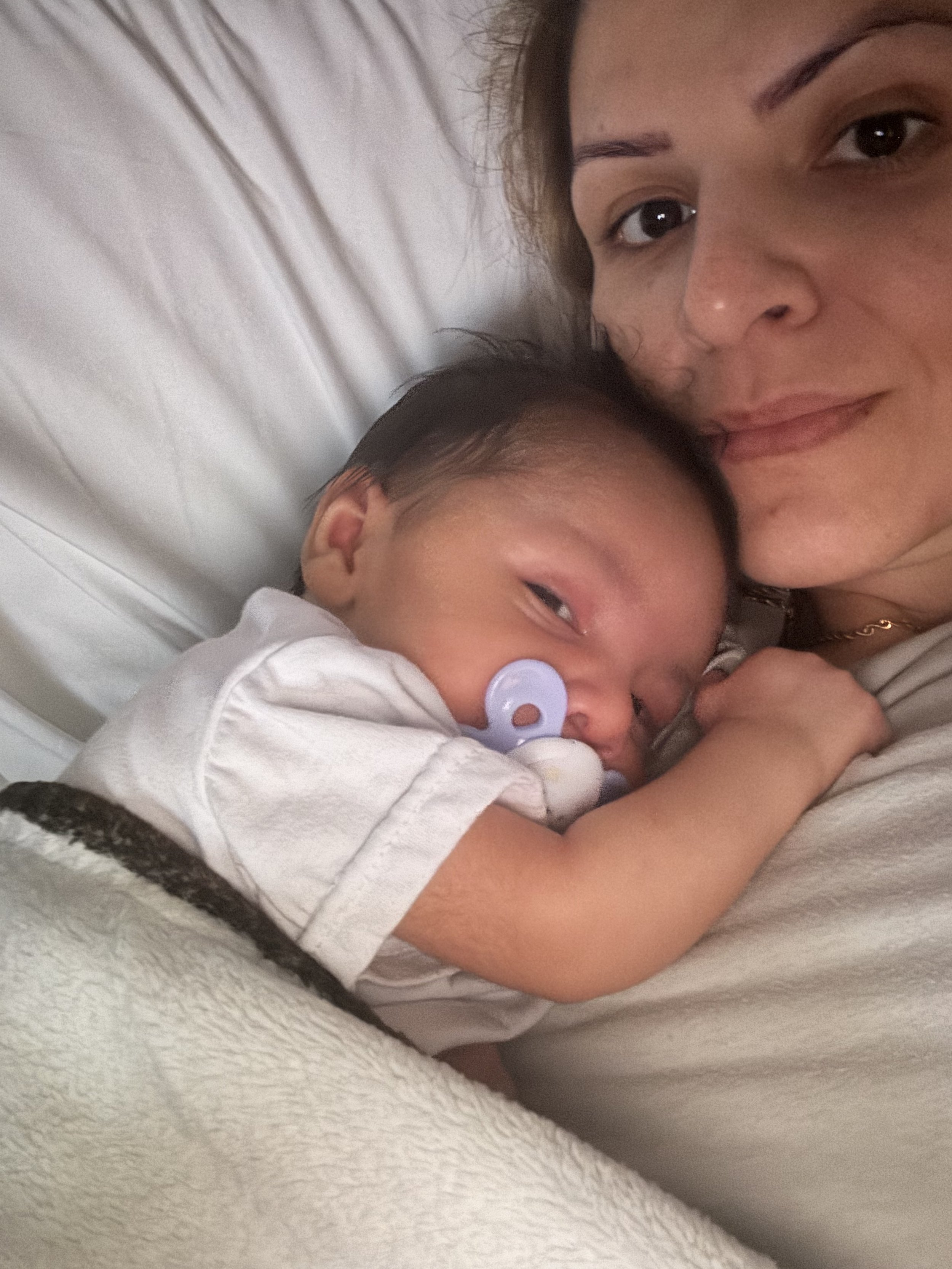
Yajaira and Anthony Zambrano have an incredible story of family building. The couple demonstrated that intended parents will do whatever it takes to have a child. They have showcased the hope, challenges, and incredible reward of having children through assisted reproduction. This is the story of their international journey from Texas to Mexico to have their son, Anthony Jr.

In a new series of interviews for Gay Dad Reporter, I talk with Scott Blair, a married lawyer in New York City who completed his first journey to fatherhood in Mexico with his husband, David. Scott candidly shares details of his journey, what went well, what he would do differently, and what was challenging. If you are an intended father considering a surrogacy journey in Mexico, this article is for you.

Welcome to Gay Dad Reporter Stories, where I interview someone and discuss their experience with assisted reproductive technology (ART). In this first article, I interview Rachelle Myers-Nelson, who has been a gestational carrier (GC) for four journeys, two of which were for twins. Rachelle has always worked with gay intended fathers, and read more to learn about why she chose this path and how she has expanded her ‘chosen family’ through gestational surrogacy.

Italy is the only country in the world that bans international surrogacy, and they have made it a crime punishable by up to two years in prison and a fine of up to 1 million Euros. This is the culmination of years of work against gay and lesbian parents in Italy. While the law has been in place since the end of 2024, as of January 2026, no one has yet to be persecuted for it. However, gay Italian dads who underwent surrogacy in the United States are too afraid to return to their home country for fear of persecution. How did Italy get to this extreme of anti-surrogacy? Based on my recent trip, I think it started about half a millennium ago.

What is the experience like for a surrogate or gestational carrier (GC) in different countries? A new publication examines this question, looking at the psychological aspects and studies that have been conducted in the UK, Canada, USA, and India regarding surrogate experiences. I have reviewed this article, and I have added my perspective as an international gay intended dad, physician, and researcher.

Fertility treatments across Europe are expanding with more than 1.1 million treatment cycles done at nearly 1,400 clinics in 2021. However, fertility treatment availability across Europe varies widely by country. In this article, I will review European national policies for assisted reproductive technology (ART), including in vitro fertilization (IVF), surrogacy, gamete (egg/sperm) donation, and embryo donation. After this review, one thing should be clear: Europe is biased towards queer men when it comes to ART, and I will share some thoughts on why this is and what can be done to change it.

In this article, I review the opinions of reproductive lawyers from the United States, United Kingdom, and India with regard to surrogacy regulations. How can surrogacy journeys be regulated without being prohibitively restrictive? What happens when a country’s surrogacy laws are too prohibitive? What is the solution to promote ethical surrogacy around the globe?

Argentina has launched an investigation in the practice of surrogacy an other assisted reproductive technology (ART) in the country, especially by foreign intended parents (IPs). In this article, I go over the current state of Argentinian regulations for ART and surrogacy, and I discuss the findings from the ongoing investigation. Will Argentina follow in the footsteps of Thailand and ban surrogacy for international IPs? How can you ensure you are embarking on an ethical surrogacy journey abroad? Read this article to find out more.

Choosing where to embark on an international gestational surrogacy journey is challenging. There are many factors to consider in order to ensure an ethical journey. One factor could be the maternal mortality rate (MMR) of a country. In this article, I review the latest World Health Organization (WHO) and U.S. Centers for Disease Control (CDC) MMR data and compare different destinations. The results may be surprising and should possibly factor into your decision on where to have your surrogacy journey.

With the trend of more queer intended fathers pursuing IVF and surrogacy outside the United States, I wanted to cover some of the negative news around journeys in these destinations. This is not meant to describe the universal experience of intended parents pursuing international surrogacy, but rather to highlight and inform regarding the potential challenges and risk with these types of journeys.

Due to financial considerations, more and more queer men are opting to pursue IVF and surrogacy outside the United States. In this article, I describe what I consider to be the minimum requirements for any journey to be considered ethical. My hope is that this can help queer men navigate their options and pursue an ethical journey in any country.

More queer men are turning to IVF and surrogacy abroad. Why? Largely the prohibitive cost of the procedures and journey in the United States. So what are the costs abroad for queer intended dads? What is the future of international IVF and surrogacy for queer fathers? Read more to find out.

Since 2015, Thailand has banned all international surrogacy arrangements and had very strict regulations on domestic surrogacy for Thai couples. The country is proposing a first-of-its-kind legislation to reopen the country to international intended parents, including queer couples. This could set an interesting precedent for other previously popular surrogacy countries like India and Georgia who also now have international bans in place. Read more to learn the details of the proposed Thai legislation and what it could mean for queer intended fathers all over the world.

Denmark is consistently ranked as one of the happiest countries in the world. A vibrant economy, strong social fabric, and generous social services that support parents and families are often cited as some of the main reasons for this population’s happiness. However, children born through surrogacy arrangements and their intended parents have not yet benefited from the celebrated Danish system. Until now. The Danish government has announced a new legal framework for international commercial surrogacy and domestic altruistic surrogacy that is the first of its kind in Europe. In this article, I will review the legislation and what it could mean for the rest of Europe.

In this third installment of the Gay Dad Reporter Journal Club, we review a recently published study on the trend of international intended parents (IPs) working with gestational carriers (GCs) in the United States between 2014 and 2020. What are the demographics of these international IPs? What does their journey look like compared to domestic IPs? What countries are they coming from? These are some of the interesting questions that are answered and discussed in this manuscript review.

I am a gay physician who is pursuing surrogacy with my husband, and I was also raised Catholic. The Pope’s condemnation of surrogacy for assisted reproduction this week affected me more than I would have expected. In this article, I discuss the Church’s historic antagonism with science, the Church’s focus on reproductive technology, and how far removed the Pope’s statements are from the reality of surrogacy in the United States.

Ireland is working to propose a new piece of legislation that will regulate international surrogacy for Irish IPs. These recommendations come from the Irish Joint Committee on International Surrogacy, and in this article, I will review the positive and challenging aspects of the recommendations, as well as discuss the potential implications for international surrogacy in Ireland, the EU, and the world.

Many international intended parents (IPs) pay their hospital bill for their newborn in the United States with cash. What can they expect the bill to cost? How do they navigate the bill and negotiate with the hospital? Are there resources to help with this process? All this and more in this original Gay Dad Reporter article.

Fertility benefits should be for everyone. This is a background on fertility insurance and benefits in the United States, and how I am working to extend benefits offered through my company to employees in over 100 countries outside the United States.

The worst thing that could happen with regard to surrogacy has happened in Greece. An IVF clinic and agency has exploited women in Ukraine, Romania, and Georgia. This is horrible. Unfortunately, it is exactly what fuels the anti-surrogacy movement. However, there is a way to perform surrogacy with significant regulations and oversight that leads to a beautiful journey of family creation. Hopefully, the world can move in a positive direction after this Greek scandal and not towards more countries banning surrogacy.

Meloni’s right-wing Italian government is doing everything possible to erase current and future rainbow families. There are policies that have already resulted in queer mothers being removed from their children’s birth certificates, essentially removing their rights as a parent. Future steps discussed in this article will make surrogacy done in any country illegal in Italy, essentially preventing queer men from pursuing fatherhood through this option. Read more and be supportive of our Italian rainbow brethren during this horrific time.

There is more focus on male fertility now than ever before. While it is known that certain classes of drugs like those used in chemotherapy are especially toxic for sperm and fertility, there is less known about the impact of more common medications. A recent real world study analyzed databases from the United States and Europe and identified medications potentially causing male infertility or sperm abnormalities.

‘Attachment’ refers to the relationship between an infant and a parent where an infant displays a tendency to seek comfort and protection from their parents when they feel scared, anxious, or vulnerable. This attachment has been shown to be critical to a child’s future social development and mental well-being. Essentially, the relationship infants have with their parents is foundational to all future relationships they have with others and even themselves. New research sought to evaluate the early attachment of gay parents in a well-designed clinical study.

As a physician, I believe that research is the best way to keep the discussion around surrogacy objective, leading to policies and regulation that are based on science and not opinion. Last November, the first study of its kind was published that followed surrogates 20 years after their journey to evaluate their psychological health and contact with the families they helped. At Gay Dad Reporter, I feel it’s important to summarize and share new science and research about IVF, surrogacy, and all those involved in these journeys.

A recent study used real world data from Ontario, Canada, to compare mental health diagnoses during and after pregnancy between unassisted deliveries, IVF, and gestational carriers. This is a great topic, and more data is needed to really understand if there are unique mental health challenges for surrogates. Unfortunately, I have several issues with the publication that I will discuss in this article.

A truth known to parents through adoption is closer to being realized by parents through assisted reproduction: Genetic contribution does not make a parent. A recent scientific breakthrough was covered widely by the media where three adults contributed genetics to a single child: Cellular DNA from the sperm of one parent, cellular DNA from the egg of another parent, and mitochondrial DNA from a donor egg. Read more to review the science and implications for gay intended and current parents through IVF and surrogacy.

Sperm is important when it comes to rainbow family building, and Gay Dad Reporter is here to talk about how you can improve your sperm health and fertility as a gay intended dad. Read more to find out how to optimize your sperm prior to IVF and surrogacy on your journey to queer fatherhood.

Following my article giving uncomfortable praise to RFK Jr., I wanted to write about the impact of lower sperm and testosterone levels on gay intended dads. This article looks at the effect sperm health has on fertility and the types of IVF that gay men can consider, with implications on cost and embryo generation.

As a physician, Democrat, and bear lover, I don’t support anything RFK Jr. stands for. However, he made headlines last week for talking about the hormonal and reproductive health of American men, and so I had to listen, review, and respond. In this article, I want to review each of these statements, fact check their accuracy, and then discuss what RFK Jr. is actually concerned about when he makes these claims.
Bonding with your unborn baby is especially challenging for international intended parents. However, we live in the 21st century and survived a global pandemic. Our lives have never been more remote-friendly, so it’s easier than ever for queer IPs to bond with their surrogate and unborn baby from the other side of the world. Read here about technology and options for you to enjoy and be as present as possible during your pregnancy.

Social surrogacy refers to a surrogacy arrangement where the female intended parent (IP) has a gestational carrier (GC) even though the female IP has no medical reason not to carry a pregnancy. A recent opinion piece was published in ASRM’s Fertility and Sterility arguing the pros and cons of having physicians engage and facilitate social surrogacies. In this article, I will review the opinion piece and share my own perspective as a gay man and physician on his own surrogacy journey.

There is little research on the women who become gestational carriers or surrogates. What is their life like? What is their educational background? Do they work? Do they keep in touch with the intended parents (IPs)? Why do they become gestational carriers? New research attempts to answer these questions, and this Gay Dad Reporter article reviews the results of the study and discusses implications for future research and policies related to surrogacy.

Underrepresented but growing. This summarizes the current state of medical research on queer family building from the largest U.S. conference on assisted reproduction. The American Society of Reproductive Medicine (ASRM) had its annual conference in Denver Colorado from October 19th to the 23rd, and there was an abstract presented that reviewed the last decade of research on LGBTQ+ family building. In this week’s Gay Dad Reporter article, I review the abstract and share a summary of some previous Gay Dad Reporter articles on other scientific publications related to rainbow families.

The Dehli High Court has granted permission for parents of a deceased man to use his sperm to have a grandchild. Should this type of posthumous procreation be allowed? What are the ethical standards that we should have for this type of procreation? How could this impact assisted reproductive technology (ART) for queer intended parents? Read more to find out.

A new scientific journal article described the racial and ethnic breakdown of sperm donors and compared this to demographics from the United States census as well as sperm donor recipients. The results are surprising from a racial and ethnic perspective, but I also learned from this article that men who have sex with men (MSMs) are prohibited from donating to sperm banks in the U.S. In this article, I discuss the implication for this and how assisted reproductive technology (ART) in general needs to be more queer friendly.

As a physician, clinical research, and intended gay dad, I am thrilled whenever there is a new study on gestational carriers (GCs). However, sometimes news articles sensationalize medical results, taking the conclusions out of context. In this article, I want to review a recent study on medical complications in GC pregnancies to highlight what the study results are actually showing, and what we can learn from this research.

My husband and I are about to make embryos, and our clinic will be using intracytoplasmic sperm injection (ICSI) as the procedure for fertilizing the eggs with our sperm. Because of that, I wanted to do a review of ICSI, covering what it is, how it works, who is it for, and how this all measures up with our own reproductive journey.

It’s been a decade since the first human uterus transplantation that resulted in a successful pregnancy and delivery. Since that time, science has progressed, and researchers have begun discussions about how to approach uterine transplantation (UTx) for transgender women. If transgender women could then get pregnant and carry their own children, what about cis, queer men such as myself? The scientific and ethical implications are discussed in this article.

Intrauterine insemination (IUI). What is it? Who is it for? How much does it cost? How well does it work? How does it compare to in vitro fertilization (IVF) and intracervical insemination (ICI)? So many fertility acronyms, and this article has them all and all the answers to important questions about IUI.

This continuation of the Gay Dad Reporter journal club explores the largest sample of gestational carriers (GCs) and investigates their experiences during the COVID-19 pandemic in Canada. What was it like to be a GC during the pandemic, and what can be done to improve the experience going forward? This article discusses the results and implications of this first-of-its-kind study.

Gestational carriers (GCs) are the limiting factor for any surrogacy journey. They are incredible, and they are also incredibly rare. What are the qualifications required to become a GC? And, using these criteria, about how many American women would qualify to become a GC? We go through the numbers in this article to come up with a general rough estimate of the number of women who would qualify and want to be a GC.

Recent experiments with mice have allowed two male mice to have genetically related offspring. This process is called in vitro gametogenesis, or IVG. This article discusses how IVG works, the results of the IVG experiments in mice, when IVG could be used in humans, and what this could mean for same sex couples and assisted reproductive technology (ART) in the future.

Intravaginal culture (IVC) and ‘shared motherhood’ through a novel technology called INVOcell allows lesbian mothers-to-be to each carry their child. How does IVC work? Is IVC as good as IVF? What are the benefits and challenges of IVC? All these questions are answered in this article.

New scientific research shows that gay parents outperform straight parents in terms of health and well-being of the children, coparenting, and the overall dynamics of the family. In our first Gay Dad Reporter journal club, I review the study in this article.

What is it like to donate your eggs or ovaries? This article aims to describe this process for women, and also to provide more understanding and empathy for intended parents (IPs). It’s important to know medical details and challenges that women go through in order to make the incredible donation of ovaries.

The ‘Pod Generation’ is a movie that dives into the not-to-distant future to explore what it would be like to have a child through an artificial womb, or pod. How close are we to this technology? In this article, I dive into the most recent science to see when (not if, because they will be developed) artificial wombs would become a reality. It’s an amazing field of research, and artificial wombs would be a game changer for queer men having babies.

What does ChatGPT know about surrogacy? In this article, I give ChatGPT a prompt regarding gestational surrogacy for queer men. I then share its its output as well as my critical review of the contents. Let’s see what AI knows about surrogacy, and what it can still be taught from humanity and the Internet.

They say it takes a village to raise a child. What if we had our own Gay Dad Village? A place that is safe for all who want to become or are gay dads, to share advice and stories, and to support each other.

A 2020 research study interviewed 22 Swedish gay dads about their experiences with IVF and surrogacy. In this article, I review this study, compare my husband and my journey as Americans living in Sweden, and discuss how Sweden and Europe’s conception of ‘family’ is a bit outdated.

I love hearing about queer people creating rainbow families in any ethical way. This week, I read an article where a gay couple in Pennsylvania are pursuing their dream of fatherhood through ‘non-genetic surrogacy.’ This term meant they were leveraging embryo donation to have children. This got me thinking: How common is embryo donation? How accessible is it for queer IPs? Would my husband and I donate our unused embryos? Read more to find out.

Read all about my experience of 'The Modern Family Show,' a unique rainbow family building conference in London, UK.

While the majority of recent queer celebrity baby announcements have been met with more joy than animosity, this, unfortunately, has not been the case for Joseph and Nathan Hughes. The case of the Hughes demonstrates that not all queer parents are treated equally, and it also highlights queer people's fight for equality and rainbow families and how much further we still need to go.

‘Procreative consciousness’ is the state of mental preparedness that queer men have to achieve before actually planning for fatherhood. This article dives into the procreative consciousness of queer Swedish men and their non-linear journeys to fatherhood, as discussed in a research publication from 2020. Surrogacy in Sweden is not permitted. The discussion of how this impacts queer men, the influence of the Swedish and international media on surrogacy, and the role that Gay Dad Reporter can plan in helping queer men in Sweden and across Europe pursue their dreams of rainbow families are all discussed.

UK LGBTQ+ charity Just Like Us has released a report on the state of schools for queer parents and their children. The results are not great. However, there is a lot to be learned from this report. So check out the article here to see how schools in the UK and around the world can be made more inclusive, and how Gay Dad Reporter and others can continue the fight for acceptance of rainbow families.

This article reviews a recent publication in the Science & Public Health Magazine of Brazil, which discusses gay dad social media influencers in Brazil. The two rainbow families profiled pursued fatherhood through adoption or assisted reproductive technology (ART). They have overcome tremendous cultural stereotypes and prejudice to share their stories, and their experience and leadership in the face of adversity are shared with queer fathers in the United States and around the world.

In this installment of the Gay Dad Reporter journal club, I review the the first study of adult children of gay fathers to explore associations between timing of sexual orientation disclosure, parent-child relationship quality, and individual well being among adult children. It’s a novel study that has important applications to all queer fathers.

Gender roles are modeled by parents and have a significant impact on children and how they navigate their world for their entire life. Gender roles in straight and gay couples are different. How does this difference affect parenting roles and responsibilities and impact their children, and what dynamic is best for children?
Ireland is working to propose a new piece of legislation that will regulate international surrogacy for Irish IPs. These recommendations come from the Irish Joint Committee on International Surrogacy, and in this article, I will review the positive and challenging aspects of the recommendations, as well as discuss the potential implications for international surrogacy in Ireland, the EU, and the world.
Recent experiments with mice have allowed two male mice to have genetically related offspring. This process is called in vitro gametogenesis, or IVG. This article discusses how IVG works, the results of the IVG experiments in mice, when IVG could be used in humans, and what this could mean for same sex couples and assisted reproductive technology (ART) in the future.

The ultimate vision for Gay Dad Reporter is a comprehensive reproductive center for all queer people, by queer people, leveraging the amazing LGBTQ+ community to make rainbow families a reality. This would be the world’s first queer reproductive center, but how would it work? Read more here.

Queer intended parents (IPs) go through significant financial, emotional, and psychological challenges to have children through surrogacy. They desperately want these children. Given this, will these children grow up to be happier and have a more positive on society as a whole? This phenomenon is not new. After the passing of Roe v Wade in the U.S., children - on average - were more wanted. This led to a decrease in societal issues such as crime. Will the same be true of rainbow families?

More and more LGBTQ+ people are planning on having or growing their families. In this article, I review the latest statistics and trends for rainbow families around the world. There are several ways to have children as a queer person, and surrogacy is one option that is growing amongst queer men. Read to find out more.
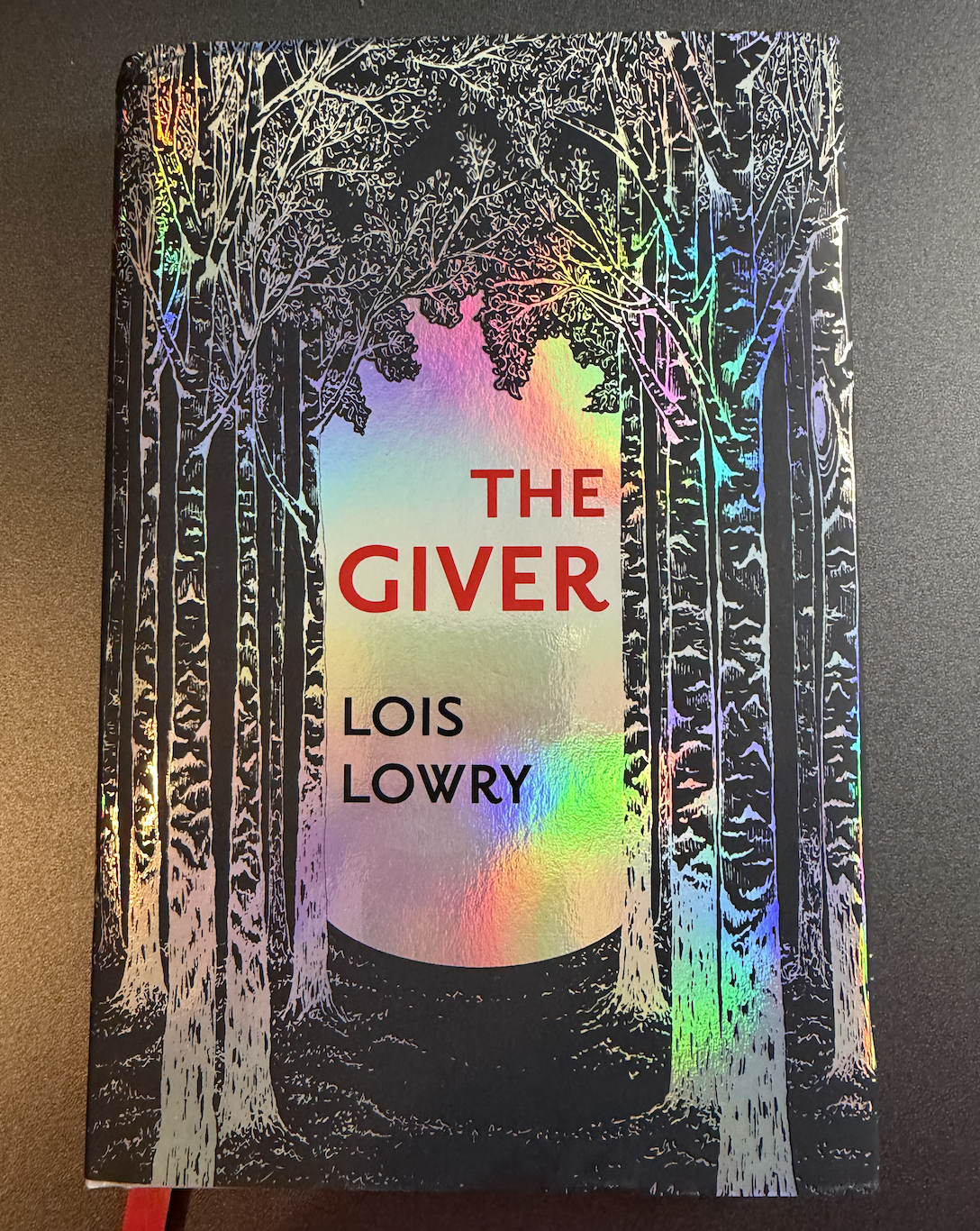
The novel ‘The Giver’ reads very differently as a gay intended dad going through surrogacy.

I have never been a fan of Gilmore Girls, and I can confidently say I never will be. Why? Because Gilmore Girls hates surrogacy.

‘The Assessment’ is a new movie staring Alicia Vikander and Elizabeth Olsen set in a not too distant, dystopian future where having children has striking similarities to what queer intended parents have to go through today. In this article, I discuss these similarities, and how my husband and I experienced the movie while currently on our first journey to fatherhood through IVF and surrogacy. Warning: Movie spoilers ahead.

The Mattachine Family is a new queer classic film. It addresses the intricacies and challenges of queer people starting rainbow families in a beautiful and engaging way. While I have critiques regarding how surrogacy for queer men is portrayed, I believe this is an incredible film that every LGBTQ+ person considering staring a family should see and enjoy.

Celebrities are trailblazers when it comes to bringing attention to emerging social phenomena. Surrogacy is no exception to this, and many gay celebrities have embarked on a journey to build their families through IVF and surrogacy. This article showcases some of these public figures and includes quotes regarding their own process to queer fatherhood and admiration for their incredible gestational carriers.

Netflix’s ‘The Surrogacy’ is a terrible portrayal of the journey to parenthood with a gestational carrier. In this article, I examine the inaccuracies of this series, what the surrogacy journey in the United States is actually like, and how detrimental a show like this can be to the delicate topic of surrogacy.
Meet the Founder

Bryan McColgan is a U.S. board certified endocrinologist and internal medicine physician who completed his undergraduate and fellowship training at Stanford University and his medical school and residency at Columbia University.
As a gay man, he has been active in LGBTQ+ groups in school and professionally, and he is currently on his first journey to fatherhood through surrogacy in California with his husband.
When starting his own journey, Bryan found there was an incredible amount of negative and incorrect information online regarding IVF, surrogacy, and what it is really like to be a LGBTQ+ identified parent.
Bryan started the Gay Dad Reporter to provide objective, actionable news and information for gay intended and current parents that allow them to understand the complex and changing landscape of assisted reproduction and gay parenthood.
Contact us
Want to be interviewed? Have an idea for a story? Have a question about IVF or surrogacy?
Reach out for anything, even if you just want to say ‘Hi.’
My advice to all future gay intended dads through surrogacy: Do not put yourself through more in-clinic sperm deposits than you have to. It’s miserable. Save yourself the time, travel, and anxiety and keep the frozen sperm until you are holding all your children and enjoying your completed family.